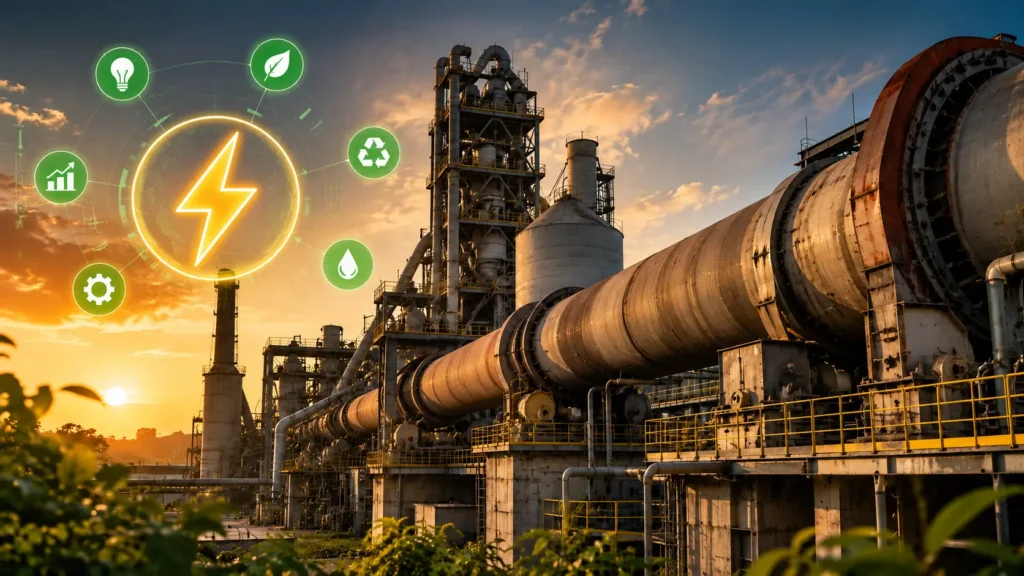
Energy consumption represents one of the largest operating expenses in cement manufacturing. As fuel prices and electricity costs continue to rise, cement producers actively seek ways to improve efficiency and reduce energy waste. Understanding How to Save Energy in Cement Rotary Kiln operations can significantly lower production costs while improving plant performance and sustainability.
A cement rotary kiln requires substantial thermal and electrical energy to produce high quality clinker. Even small improvements in efficiency can generate significant cost savings over time. At Pashacontractors, we help cement manufacturers in Rajkot, Delhi, and across India implement advanced engineering solutions that improve kiln performance and reduce energy consumption.
This guide explains the most effective strategies for optimizing rotary kiln operations and achieving long term energy savings.
Why Energy Efficiency Matters in Cement Rotary Kiln Operations
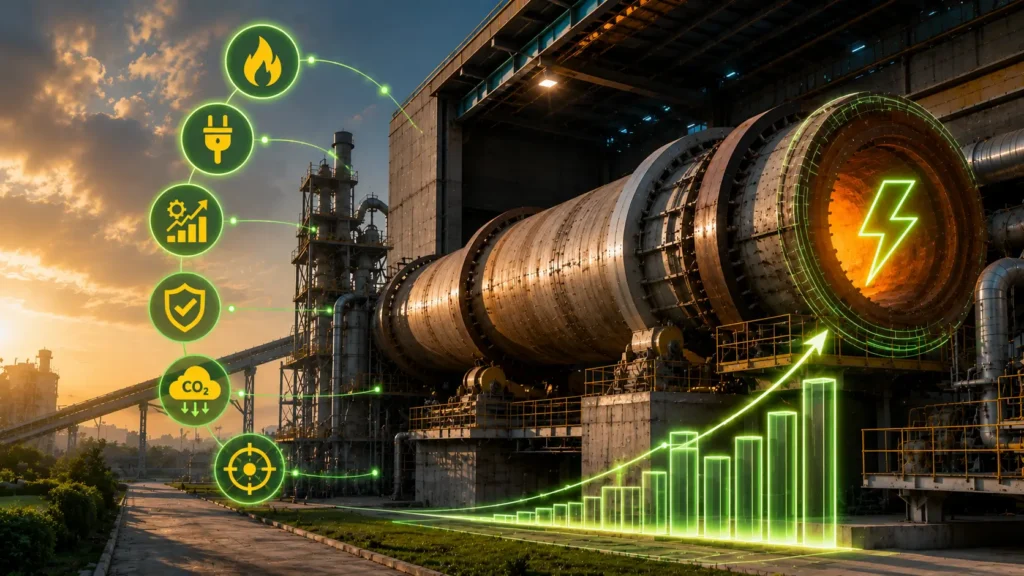
The rotary kiln serves as the heart of every cement manufacturing plant. It consumes a major portion of the fuel and power required during clinker production. When kiln systems operate inefficiently, energy losses increase operating costs and reduce profitability.
Improving energy efficiency offers several advantages:
- Lower fuel consumption
- Reduced electricity costs
- Higher production output
- Better equipment reliability
- Lower carbon emissions
- Improved process stability
Companies that focus on How to Save Energy in Cement Rotary Kiln systems often achieve substantial operational improvements while supporting sustainable manufacturing goals.
Enhance Performance with Advanced Preheater Technology
The preheater system plays a critical role in rotary kiln efficiency. Modern preheaters recover heat from kiln exhaust gases and transfer it to raw materials before they enter the kiln.
An upgraded preheater system can:
- Improve heat exchange efficiency
- Reduce fuel consumption
- Increase clinker production
- Lower exhaust gas temperatures
- Improve thermal efficiency
Many older cement plants operate with outdated cyclone designs that create unnecessary energy losses. Modern cyclone configurations improve material separation and heat transfer, allowing the kiln to operate more efficiently.
Investing in advanced preheater technology remains one of the most effective solutions for How to Save Energy in Cement Rotary Kiln operations.
Increase Thermal Efficiency Through Precalciner Optimization
The precalciner significantly reduces the thermal load placed on the rotary kiln. By completing a large portion of the calcination process before materials enter the kiln, the precalciner improves overall energy utilization.
An optimized precalciner can:
- Increase production capacity
- Improve fuel combustion
- Reduce kiln fuel demand
- Enhance clinker quality
- Improve process stability
Engineers often expand or redesign existing precalciner systems to maximize fuel efficiency and support higher production requirements.
Proper precalciner optimization directly contributes to lower energy consumption throughout the cement manufacturing process.
Reduce Energy Losses by Optimizing Preheater Resistance
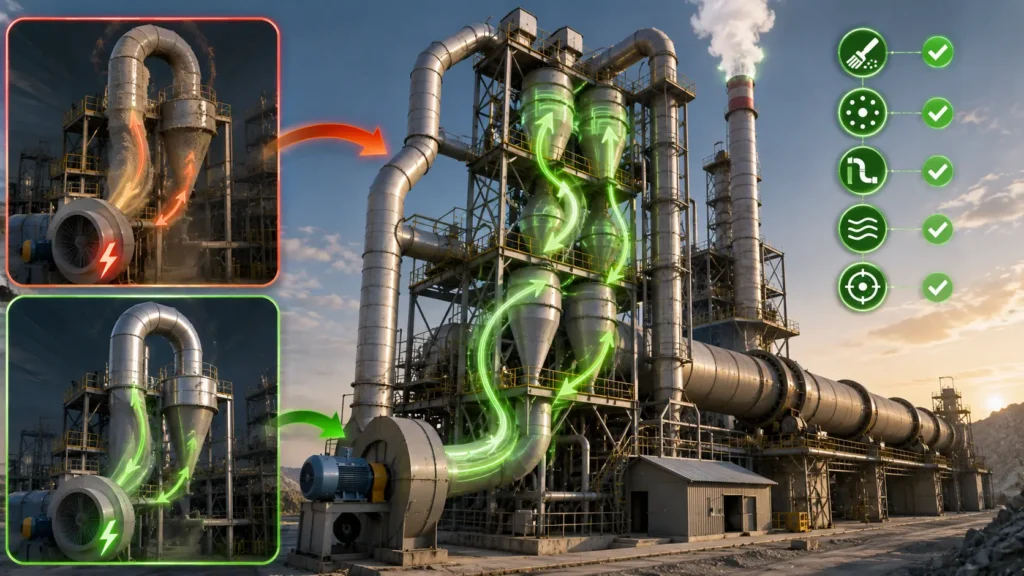
Pressure resistance within the preheater system affects fan performance and overall power consumption. Excessive resistance forces fans to consume more electricity while reducing airflow efficiency.
Plant operators can reduce pressure losses by:
- Cleaning cyclone systems regularly
- Eliminating material build-up
- Optimizing duct design
- Improving airflow distribution
- Maintaining proper system alignment
Lower pressure resistance improves gas flow and reduces electrical energy requirements. These improvements provide measurable benefits when implementing strategies for How to Save Energy in Cement Rotary Kiln systems.
Upgrade to High Efficiency Fans for Lower Power Consumption
Fans account for a significant portion of electrical energy usage in cement plants. Older fan systems often operate at lower efficiency levels and consume unnecessary power.
Modern high efficiency fans provide:
- Improved airflow performance
- Reduced power consumption
- Lower operating costs
- Better process control
- Increased equipment reliability
Variable frequency drives further enhance fan efficiency by adjusting motor speed according to actual process requirements.
Replacing outdated fans with energy efficient models often delivers a rapid return on investment while supporting long term energy optimization goals.
Maximize Savings Through Effective Waste Heat Recovery
A large amount of thermal energy exits the cement kiln through exhaust gases and clinker cooling systems. Without recovery systems, this valuable heat escapes into the environment.
Waste heat recovery systems capture this energy and convert it into useful power or process heat.
Benefits include:
- Reduced fuel consumption
- Lower electricity costs
- Increased plant efficiency
- Reduced greenhouse gas emissions
- Improved sustainability performance
Many modern cement plants use waste heat recovery technology to generate electricity that supports internal operations.
For manufacturers seeking solutions for How to Save Energy in Cement Rotary Kiln systems, waste heat utilization represents one of the most effective long term investments.
Improve Kiln Performance with Intelligent Automation Systems
Automation plays a critical role in modern cement plant operations. Advanced control systems continuously monitor and adjust process parameters to maintain optimal performance.
Automated control systems help operators:
- Stabilize kiln temperature
- Optimize fuel usage
- Improve combustion efficiency
- Reduce process variations
- Minimize energy waste
Real time monitoring allows operators to respond quickly to changing operating conditions and maintain maximum efficiency throughout production.
Modern automation technologies significantly improve energy management while reducing human error and operational inefficiencies.
Additional Best Practices for Rotary Kiln Energy Saving
Beyond equipment upgrades, cement plants can achieve additional savings through operational improvements.
Recommended practices include:
- Regular preventive maintenance
- Proper refractory management
- Optimized fuel selection
- Improved combustion control
- Reduced air leakage
- Efficient raw material preparation
- Continuous performance monitoring
These measures help maintain peak equipment performance and support ongoing energy efficiency improvements.
Benefits of Energy Optimization in Cement Plants
Implementing energy saving initiatives produces benefits that extend beyond reduced utility costs.
Key advantages include:
- Higher profitability
- Increased production efficiency
- Improved equipment lifespan
- Reduced maintenance requirements
- Better environmental compliance
- Enhanced operational reliability
As energy costs continue to rise, companies that prioritize efficiency gain a significant competitive advantage within the cement industry.
Pashacontractors: Delivering Energy Efficient Rotary Kiln Solutions Across India
Pashacontractors provides advanced engineering solutions for cement manufacturers in Rajkot, Delhi, and across India. Our team specializes in rotary kiln optimization, waste heat recovery systems, preheater upgrades, automation integration, and energy efficient equipment solutions.
Whether your objective is reducing fuel consumption, improving thermal efficiency, or increasing clinker production capacity, we deliver customized solutions designed to maximize operational performance.
By implementing proven strategies for How to Save Energy in Cement Rotary Kiln systems, cement manufacturers can achieve sustainable growth, lower production costs, and improve long term profitability.


